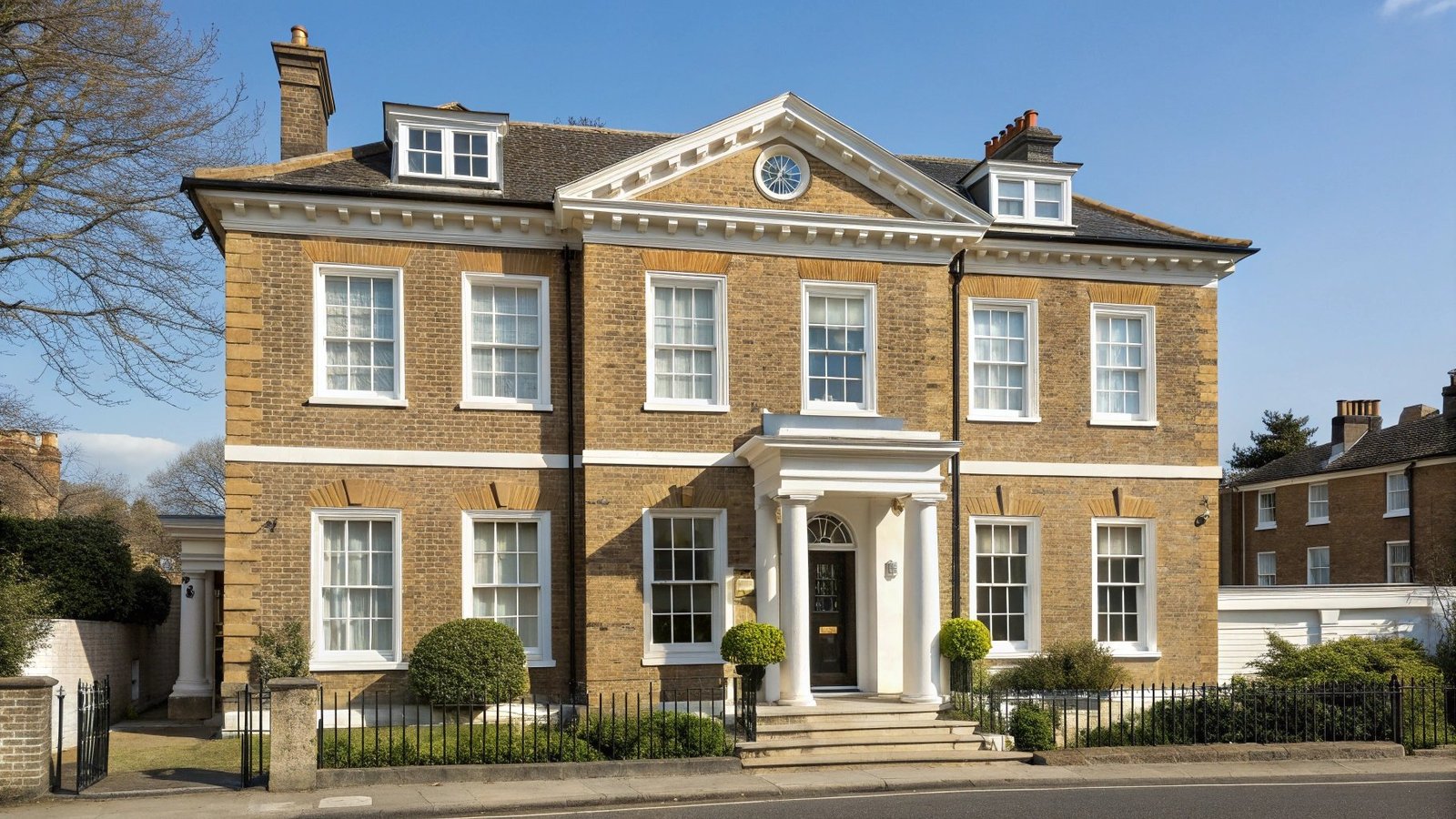
Period properties in Surbiton, Kingston, and across Surrey offer unique character, architectural heritage, and often excellent locations. However, as experienced Surbiton Surveyors, we know that buying Georgian, Victorian, or Edwardian homes requires specialized knowledge and careful inspection to avoid costly surprises.
The Appeal of Period Properties
Surbiton Surveyors work extensively with period property buyers who are drawn to these homes for compelling reasons:
- Architectural character: High ceilings, ornate features, and superior build quality
- Location: Often situated in established, desirable neighborhoods
- Space: Generous room sizes compared to modern homes
- Investment potential: Period properties typically hold value well
- Unique features: Original fireplaces, sash windows, decorative moldings, and period details
- Solid construction: Thick solid walls and substantial timber floors
Georgian Properties (1714-1837)
Georgian properties are rare finds in Surrey, but Kingston and surrounding areas contain some beautiful examples.
Architectural Characteristics
- Symmetrical facades with balanced window arrangements
- Sash windows with glazing bars
- Classical proportions and elegant simplicity
- Panelled doors with fanlights above
- High ceilings (often 3+ meters)
- Lime mortar and plaster construction
Common Issues in Georgian Properties
As chartered surveyors, we regularly identify these concerns:
- Foundation movement: Shallow foundations can lead to settlement
- Roof structure: Original timbers may show beetle infestation or decay
- Inappropriate repairs: Modern cement renders trapping moisture in breathable walls
- Window condition: Original sash windows requiring restoration
- Services: Outdated electrical and plumbing systems
- Listed building constraints: Restrictions on modifications
Victorian Properties (1837-1901)
Victorian houses dominate period property stock in Surbiton and Kingston, ranging from grand villas to workers' terraces.
Early Victorian (1837-1860)
Similar to late Georgian with classical proportions but introducing Gothic revival elements.
Mid-Victorian (1860-1880)
Elaboration increases with decorative brickwork, bay windows, and ornate details.
Late Victorian (1880-1901)
More eclectic with terracotta embellishments, patterned brickwork, and Queen Anne revival influences.
Typical Victorian Features
- Bay windows (often on multiple floors)
- Slate roofs with decorative ridge tiles
- Sash windows (larger panes than Georgian)
- Original fireplaces in most rooms
- Decorative plasterwork and ceiling roses
- Tiled entrance paths and porches
- High skirting boards and picture rails
Victorian Property Survey Priorities
During building surveys, we focus on:
- Rising damp: Failed or bridged damp-proof courses
- Roof condition: Slate slippage and valley gutter deterioration
- Chimney stacks: Leaning, cracked, or unstable stacks
- Window condition: Rotten sills and frames
- Structural movement: Cracks indicating settlement or subsidence
- Dry rot: Particularly in suspended timber floors
- Electrical systems: Outdated wiring requiring replacement
- Plumbing: Lead pipes and antiquated systems
Edwardian Properties (1901-1918)
Edwardian houses represent a transition towards modernity while retaining period charm.
Edwardian Characteristics
- Lighter, more spacious interiors than Victorian
- Larger windows with fewer glazing bars
- Red brick construction becoming standard
- Arts and Crafts influences
- Mock Tudor detailing in some properties
- Porches and entrance canopies
- Integration of early services (electricity, indoor plumbing)
Common Edwardian Issues
Surbiton Surveyors typically find:
- Similar damp issues to Victorian properties
- Structural additions (bathrooms, kitchens) requiring assessment
- Original windows needing restoration
- Roof coverings reaching end of life
- Services requiring modernization
Essential Survey Considerations for Period Properties
Why Level 3 Building Surveys are Recommended
As Surbiton Surveyors, we strongly recommend comprehensive Level 3 Building Surveys for all period properties because:
- Complex construction requires detailed investigation
- Hidden defects are common
- Repair costs can be substantial
- Understanding building evolution is crucial
- Conservation issues may affect renovation plans
What Our Period Property Surveys Cover
- Foundations and structure: Assessing movement, stability, and adequacy
- Roof structure and covering: Detailed inspection of timbers, tiles/slates, and leadwork
- Chimneys: Condition, stability, and repointing requirements
- External walls: Dampness, pointing, render condition
- Windows: Condition of frames, glass, and operation
- Internal structure: Floors, ceilings, partitions
- Services: Electrical, plumbing, heating systems
- Damp and timber: Moisture levels, rot, and beetle infestation
- Alterations: Assessment of previous modifications
- Conservation issues: Listed building or conservation area constraints
Period Property Construction Methods
Solid Wall Construction
Pre-1920s properties typically have solid walls (usually 9 inches/230mm thick) without cavities. These walls:
- Are more susceptible to penetrating damp
- Provide lower insulation than cavity walls
- Must "breathe" using lime mortars and plasters
- Require different maintenance approaches than modern construction
Lime Mortars and Plasters
Period properties were built with lime-based materials offering flexibility and breathability. Modern cement-based products can trap moisture and cause damage. As property surveyors in Surrey, we advise on appropriate repair materials.
Timber Floor Construction
Suspended timber ground floors with underfloor ventilation are standard in period properties. Common issues include:
- Inadequate ventilation leading to rot
- Blocked airbricks
- Beetle infestation
- Thermal bridging and heat loss
Roof Structures
Traditional cut roofs use substantial timbers often hand-sawn. These roofs can last centuries but require inspection for:
- Timber decay at wall plates and eaves
- Beetle infestation
- Structural alterations weakening the frame
- Roof spread due to tie beam failure
Common Defects in Period Properties
1. Dampness Issues
The most common problem we identify during building surveys:
- Rising damp: Failed or absent DPCs
- Penetrating damp: Defective pointing, gutters, or renders
- Condensation: Poor ventilation in modernized properties
- Inappropriate cement renders: Trapping moisture in walls
2. Structural Movement
- Settlement cracks (often historic and stable)
- Subsidence in clay areas
- Bulging walls due to roof spread
- Lintel failure over openings
3. Roof Problems
- Slate/tile slippage requiring re-roofing
- Valley and parapet gutter failures
- Lead flashings deteriorating
- Chimney stack movement and leaning
4. Window and Door Issues
- Rotten timber in sash windows
- Failed sash cords and mechanisms
- Single glazing and draughts
- Door frames suffering from decay
5. Services Deficiencies
- Outdated electrical systems
- Lead plumbing pipes
- Inefficient heating systems
- Poor insulation
Listed Buildings and Conservation Areas
Many period properties in Surbiton and Kingston fall within conservation areas or have listed status.
Listed Building Grades
- Grade I: Exceptional interest (2.5% of listings)
- Grade II*: Particularly important (5.8% of listings)
- Grade II: Special interest (91.7% of listings)
Implications for Owners
- Listed Building Consent required for most alterations
- Sympathetic repair materials mandatory
- Higher maintenance and repair costs
- Restrictions on energy efficiency improvements
- Potential grants available for repairs
As chartered surveyors, we advise on conservation requirements and realistic renovation possibilities.
Modernizing Period Properties
Sympathetic Improvements
- Secondary glazing: Retaining original windows while improving thermal performance
- Internal wall insulation: Carefully specified to maintain breathability
- Underfloor insulation: Between joists to reduce heat loss
- Modern services: Discretely installed utilities
- Kitchen and bathroom updates: Balancing modern needs with period aesthetics
What to Avoid
- UPVC replacement windows (harmful to character and value)
- Cement renders on breathable walls
- Removing original features
- Inappropriate extensions
- External wall insulation (usually unsuitable for period properties)
Renovation Costs and Budgeting
Surbiton Surveyors help clients understand realistic renovation budgets:
Typical Repair Costs (2024)
- Re-roofing: £50-£100 per square meter
- Sash window restoration: £1,000-£2,000 per window
- Damp-proofing: £2,000-£7,000 depending on extent
- Rewiring: £4,000-£8,000 for average houses
- Central heating: £4,000-£7,000 for gas systems
- Replastering: £30-£50 per square meter
Always obtain multiple quotes and allow contingency (typically 15-20%) for unexpected issues.
Mortgage and Insurance Considerations
Mortgage Lender Requirements
Lenders are cautious about period properties with significant defects. Our property surveys often identify issues requiring remediation before mortgage approval, including:
- Active subsidence
- Structural instability
- Severe damp or rot
- Hazardous materials (asbestos)
- Unsafe electrical systems
Insurance
Period properties may require specialist insurance covering:
- Higher rebuilding costs (period features, specialist materials)
- Listed building requirements
- Specific risks (subsidence, flooding)
The Property Survey Process
Pre-Survey Research
Before surveying, we research:
- Property age and construction type
- Historical maps showing extensions and alterations
- Listed building status
- Local geology and subsidence risk
- Planning history
Survey Day
Comprehensive inspections typically take 3-5 hours, examining every accessible part of the property with specialist equipment including:
- Moisture meters
- Thermal imaging cameras
- Binoculars for high-level inspection
- Endoscopes for viewing concealed areas
The Survey Report
Our detailed reports include:
- Executive summary of key findings
- Detailed descriptions of all defects
- Prioritized repair recommendations
- Cost estimates for remedial works
- Photographs documenting issues
- Advice on further investigations if required
Case Study: Victorian Terrace in Surbiton
We recently surveyed a mid-terrace Victorian house in Surbiton for first-time buyers. Our survey identified:
- Original slate roof nearing end of life (£15,000 re-roofing estimate)
- Rising damp to front wall (failed DPC requiring treatment: £3,500)
- Rear extension with structural cracks (monitoring recommended)
- Outdated electrical system (rewiring required: £5,000)
- Original sash windows in poor condition (restoration: £12,000)
Total identified repairs: £35,500. The buyers negotiated a £30,000 price reduction and prioritized safety-critical works (electrics, roof repairs) while planning window restoration over several years.
Making an Informed Decision
Period properties require more maintenance than modern homes but offer unique rewards. With proper survey information from experienced Surbiton Surveyors, you can:
- Understand true property condition
- Budget accurately for repairs and improvements
- Negotiate prices based on factual information
- Plan renovation priorities
- Avoid properties with insurmountable problems
- Move forward with confidence
Conclusion: Embracing Period Property Ownership
Buying a period property in Surrey or London is an exciting journey. These characterful homes offer architectural heritage, solid construction, and distinctive charm that modern houses cannot replicate.
However, period property ownership demands realistic expectations, appropriate budgets, and professional advice. Engaging experienced chartered surveyors who understand traditional construction is essential for avoiding expensive mistakes.
At Surbiton Surveyors, we specialize in period property surveys across Surrey and Southwest London. Our team combines building conservation knowledge with practical surveying experience, ensuring you receive comprehensive, actionable advice tailored to period properties.
Whether you're considering a Georgian townhouse, Victorian terrace, or Edwardian villa, contact us today for expert survey services that reveal the true condition of your potential new home.
Planning to Buy a Period Property?
Our specialist surveyors provide comprehensive period property surveys. Get expert assessment before you commit.